
Hacking the Back-to-School Transition:
Real-Life Advice from an ADHD Psychologist (and Mom)

If you are the parent of a neurodivergent child, you already know that the back-to-school season isn't just about buying fresh pencils and perfectly sized backpacks. It’s an intensive, high-stakes shift in executive functioning, sensory load, and emotional regulation.
I know this not just from my work as a psychologist, but from the frontlines of my own living room. Between managing my own ADHD, tending to a diabetic cat, and making sure my brand-new kindergartener and 3rd grader make it out the door on time, the back-to-school transition is a heavy lift.
Keeping the peace and staying organized requires more than just trying harder. Sometimes we have to get creative.
At Mind Mosaic, we firmly believe that the roadmaps we build for our clients must actually work in everyday life and not just in a pristine, hypothetical world. The standard neurotypical advice for back-to-school (color-coded family calendars, perfectly prepped bento boxes, and matching labels) often sets neurodivergent individuals and their families up for burnout by October.
To survive and thrive during this transition, we have to adapt the environment to our brains, rather than forcing our brains to fit the environment.
In honor of the back-to-school season, here are 5 of my favorite out-of-the-box strategies for managing the rush without loosing your sanity:
Tip 1: Donut Day (The Fake First Day of School)

The first day of school is historically a pressure cooker. You’re navigating a brand-new morning routine while simultaneously trying to capture that picture-perfect front porch photo before the bus arrives. For an ADHD or Autistic brain, the pressure of rushing combined with the anxiety of the "unknown" is a recipe for a meltdown.
My family’s solution? We fake it.
Since my daughter was in kindergarten, we’ve practiced "Donut Day." On the Sunday before school starts, we treat it exactly like the first day. We wake up at our school-day time, get fully dressed in our first-day outfits, pack the backpacks, and walk out the door. We take all the first-day-of-school pictures with zero time-crunch anxiety. Then, instead of going to school, we go get donuts.
Why it works:
It acts as a low-stakes "dry run" for the motor planning and executive functioning required for the morning routine. It removes the unpredictable transition (school) and replaces it with a high-dopamine reward (donuts). Come Monday morning, the photos are already done, clothes have been test-driven for sensory issues, and we can just focus on getting out the door.
Tip 2: The Morning Routine Soundtrack
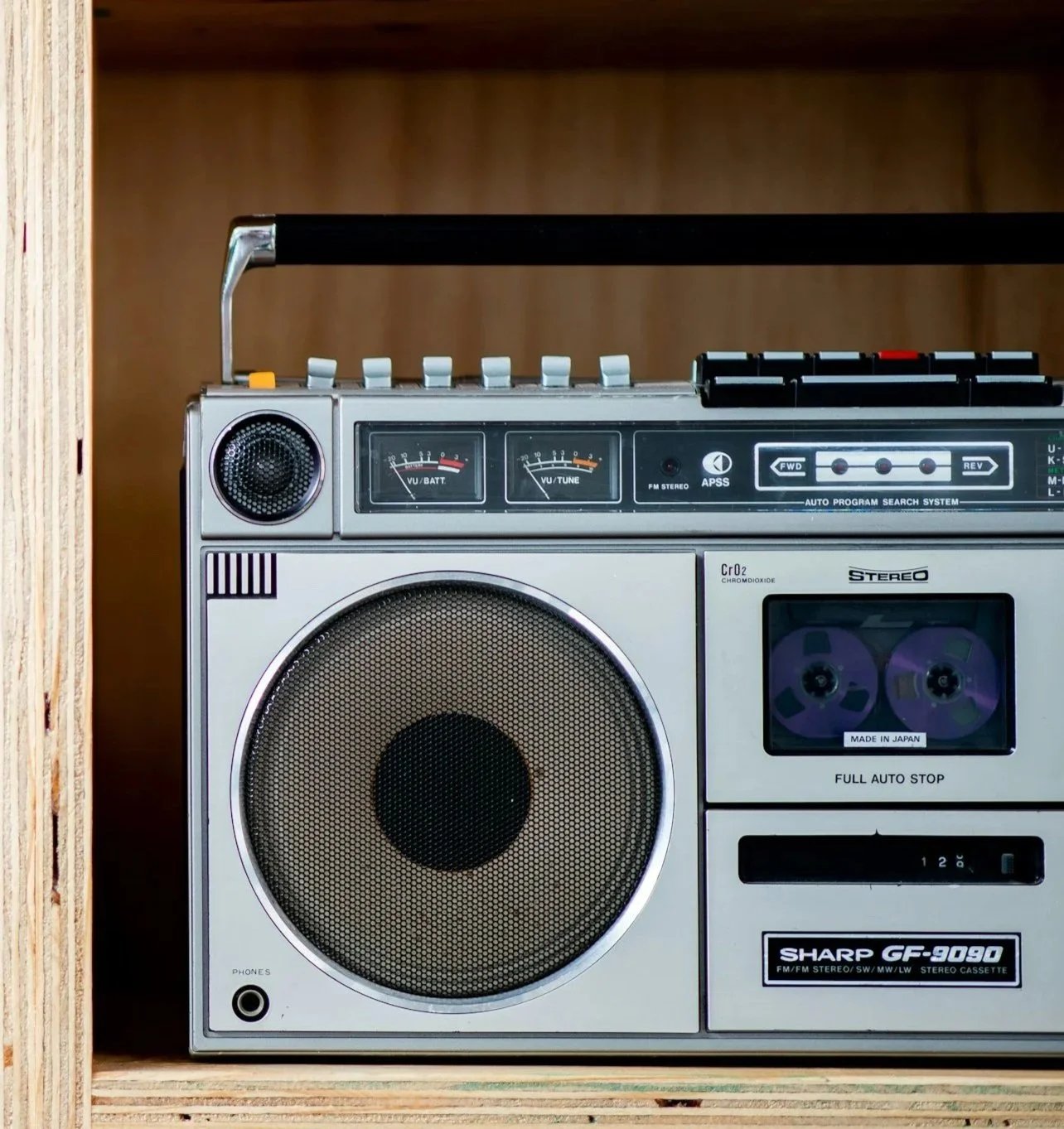
Time blindness is a hallmark of ADHD, meaning that concepts like "we leave in five minutes" often feel completely abstract. Trying to nag kids through the tricky parts of a morning routine only spikes cortisol for everyone involved.
Instead of watching the clock, use music as an auditory timer for specific tasks. If getting dressed or gathering items takes too long, assign a specific, high-energy song to that task. In my house, we may or may not have blasted "All Star" by Smash Mouth while we packed backpacks and put on our shoes every day this week.
If needed, you can take this a step further. Let your kids curate their own morning playlist. A specific song can cue them that it's time to transition from eating breakfast to brushing their teeth, bypassing the need for a parent to verbally remind (or nag) them.
Why it works:
Music provides a dopamine boost that helps initiate a non-preferred task, while simultaneously acting as an external pacer. Kids don't have to understand what "five minutes" feels like; they just know that their shoes need to be tied before the final chorus ends
Tip 3: Point-of-Performance Organizing (Put the Socks by the Shoes)
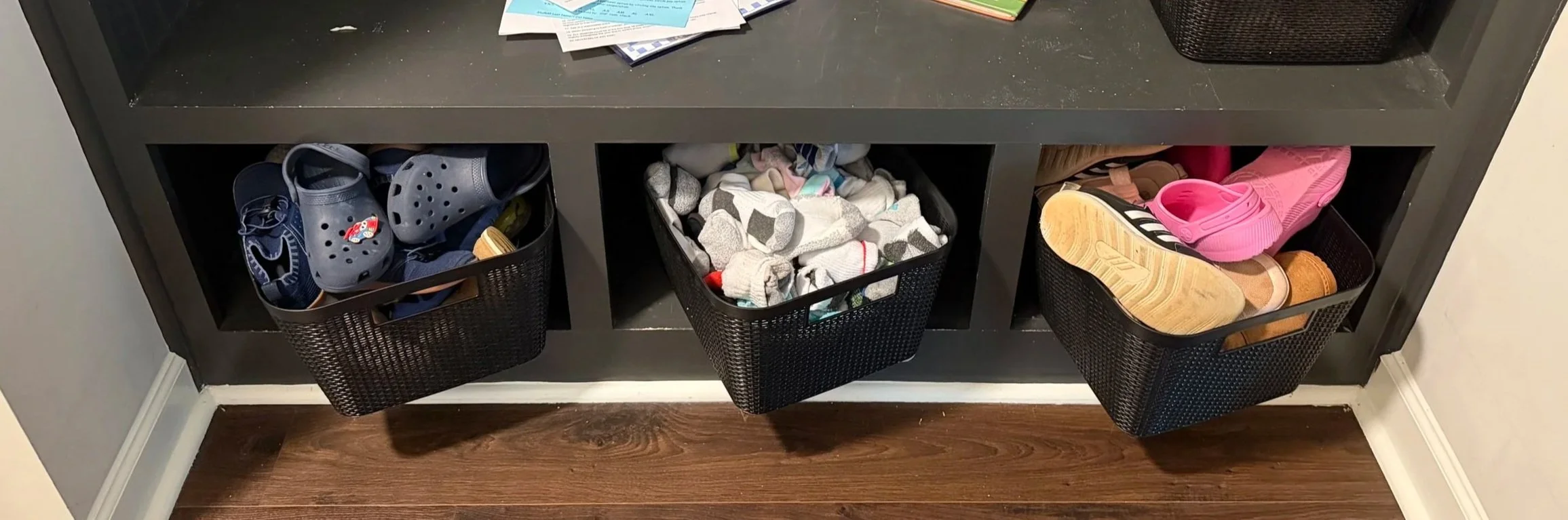
Traditional organizing tells us that socks belong folded in a bedroom dresser upstairs. But if your kids actually put their shoes on downstairs by the front door, keeping socks upstairs creates an unnecessary geographical barrier to getting dressed.
In our house, the kids' socks live downstairs in a basket right next to their shoes (yes, the picture above is from my actual house… it may not be pretty, but it works for us). If I tried to make them go back upstairs for socks, we all would get derailed by three different side quests along the way… tardy slip guaranteed!
Other examples may look like keeping a toothbrush in the kitchen if that’s where your kids are most likely to use it after breakfast. Put an extra deodorant in the car console or their backpack. Adapt the house to how they actually move through it, not how a catalog says a house should look.
Why it works:
In the ADHD world, this is called "Point of Performance." You place the item exactly where the task is executed, eliminating the friction of extra steps.
Tip 4: The Crash

When neurodivergent kids get home from school, their nervous systems are often buzzing from the sensory overwhelm. Between the fluorescent lights, loud cafeterias, and sitting still - If I immediately start asking question or prompting to start school work it is not going to end well for anyone.
In my house, we call it the “Crash” Before any demands are placed, my kids know they have 10 to 15 minutes to regulate their bodies. Sometimes this looks like jumping on the trampoline or hanging upside down off the couch. Other times we just need to cut the lights and listen to Harry Potter on the Yoto player.
Why it works:
Heavy work (proprioceptive input) and vestibular movement act like a reset button for a dysregulated nervous system. By prioritizing sensory regulation before cognitive tasks or social demands, you help them transition their brain from "survival mode" back to a calm, grounded state.
Tip 5: Ditch the Desk (Flexible Homework Spaces for Kids on the Move)
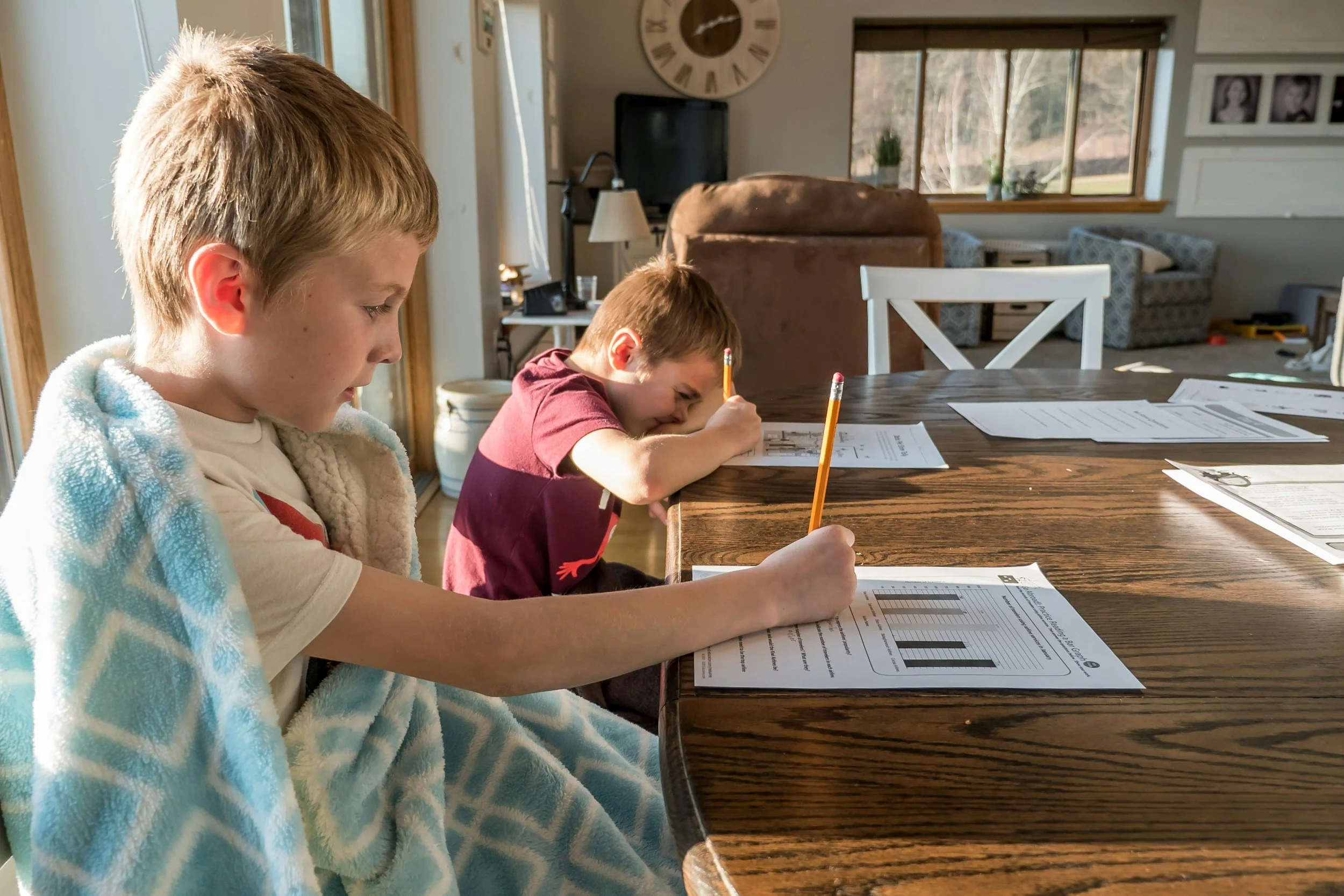
Standard school advice tells parents to create a quiet, well-lit, distraction-free desk in their child's bedroom for homework. But for many neurodivergent brains, sitting still at a silent desk is actually under-stimulating and makes focusing incredibly difficult. Let go of what homework is "supposed" to look like. Allow your kids to do their spelling words hanging upside down on the couch, standing at the kitchen island, or pacing the hallway with a clipboard.
To prevent losing 20 minutes every afternoon just hunting for a sharpened pencil, swap the static desk for a rolling homework cart. Stock a multi-tiered cart with pencils, markers, scissors, rulers, chargers, and scrap paper. When it's time for homework, the cart rolls right up to wherever your child is currently working—whether that's the living room rug or the dining room table—and then rolls neatly away into a corner when they are done.
Why it works:
Movement and novel positioning provide proprioceptive feedback that helps an ADHD or Autistic brain focus. A rolling cart supports this need for environmental flexibility while completely outsourcing the executive function demand of organizing and gathering materials into one central, mobile hub.
Staying (Mostly) Afloat
At Mind Mosaic, we know that doing things differently isn't a failure—it's a feature. You don’t have to do it the way everyone else does. These are just a few of the hacks keeping my own household (mostly) afloat right now. Please remember that every family is different and what works for one does not always work for all.
Remember, the goal of the back-to-school season isn't perfection; it's connection, regulation, and survival.
As you navigate these next few weeks, give yourself—and your kids—abundant grace to figure out what systems actually support your unique family.
From all of us at Mind Mosaic Psychology, we wish you a smooth, low-stress, and wonderfully unconventional start to the new school year!
Please know that we are always here to help! If your family is seeking strengths-based diagnostic clarity or a roadmap that truly makes sense for your neurodivergent child or teen, we would love to connect and see how our providers can best support you.
Move the socks.
Eat the donuts.
Turn up the Smash Mouth.
You’ve got this.
"We believe a diagnosis is just the beginning of the story. Our goal is to help you understand the pieces and navigate the path ahead."
